· By Erik Svedin
Why bike shops have to digitalise now – and where to start
Benefit bikes now make up around 20% of Swedish bike sales and demand digital product data. How to tell if your shop keeps up – and where to begin.
The market moved – the question is whether the shop moved with it
In just a few years, the benefit bike has redrawn the playing field. It now accounts for roughly 20 per cent of all bike sales in Sweden – around a billion kronor a year – and the centre of gravity has shifted from ordinary consumer retail to a B2B-driven ecosystem where the employer is the customer. Two million employees already have access to a benefit bike. Three million don't, yet.
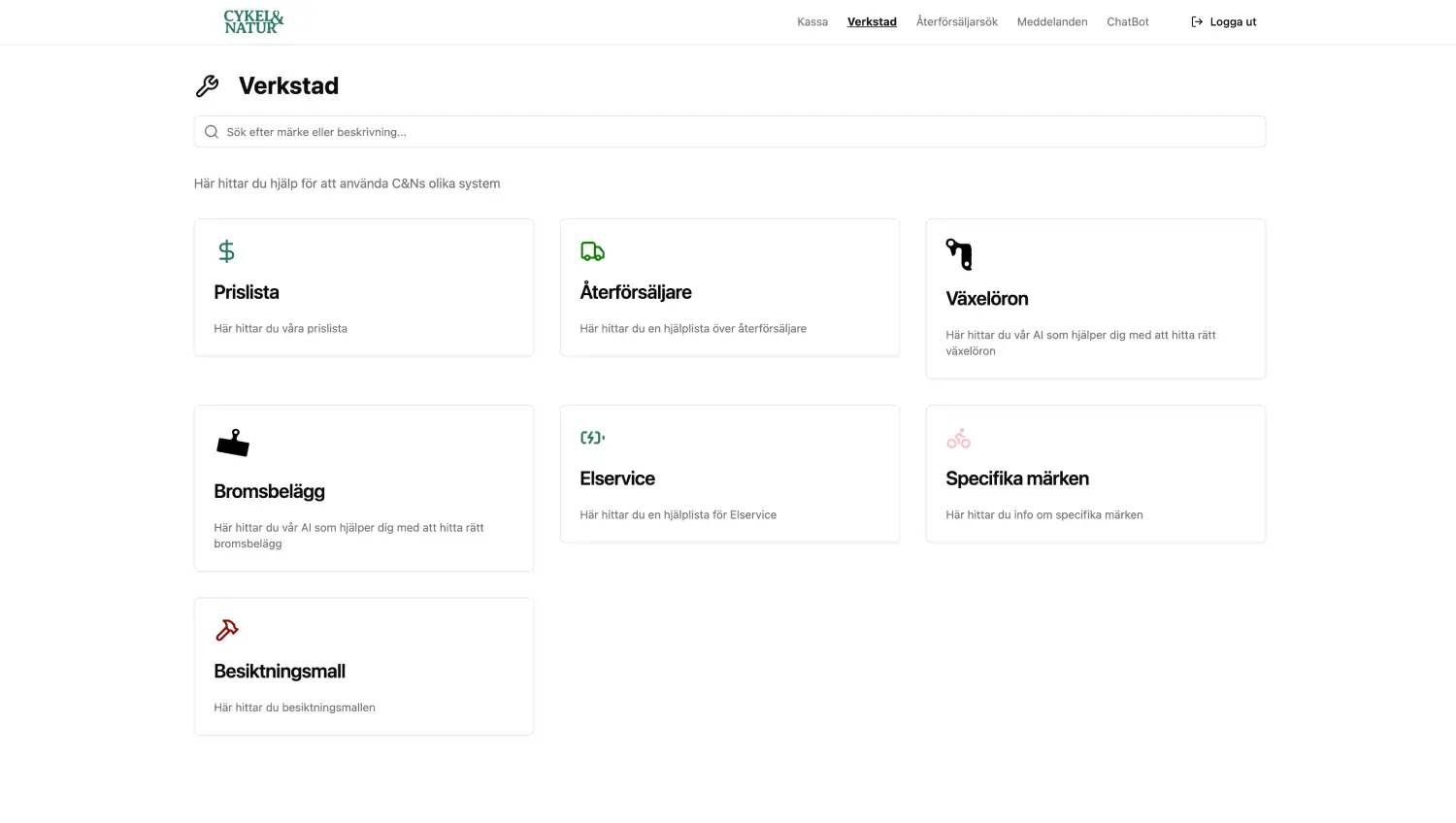
That last part matters: the curve isn't finished. And the platforms brokering those bikes want structured product data – right model, right size, right price, right stock status. If it doesn't exist digitally, you're invisible in the place customers now pick their bike.
Digitalisation sounds big and expensive. But for a specialist retailer it rarely means a new website. It means something far simpler – and far more tedious: making sure the shop's data actually exists, is correct, and can be passed on.
Digitalisation rarely means a new website. It means the shop's data exists, is correct, and can be passed on.
Four time thieves telling you it's time
You know them already. They don't cost money directly – they cost hours. And hours in peak season are the most expensive thing you have.
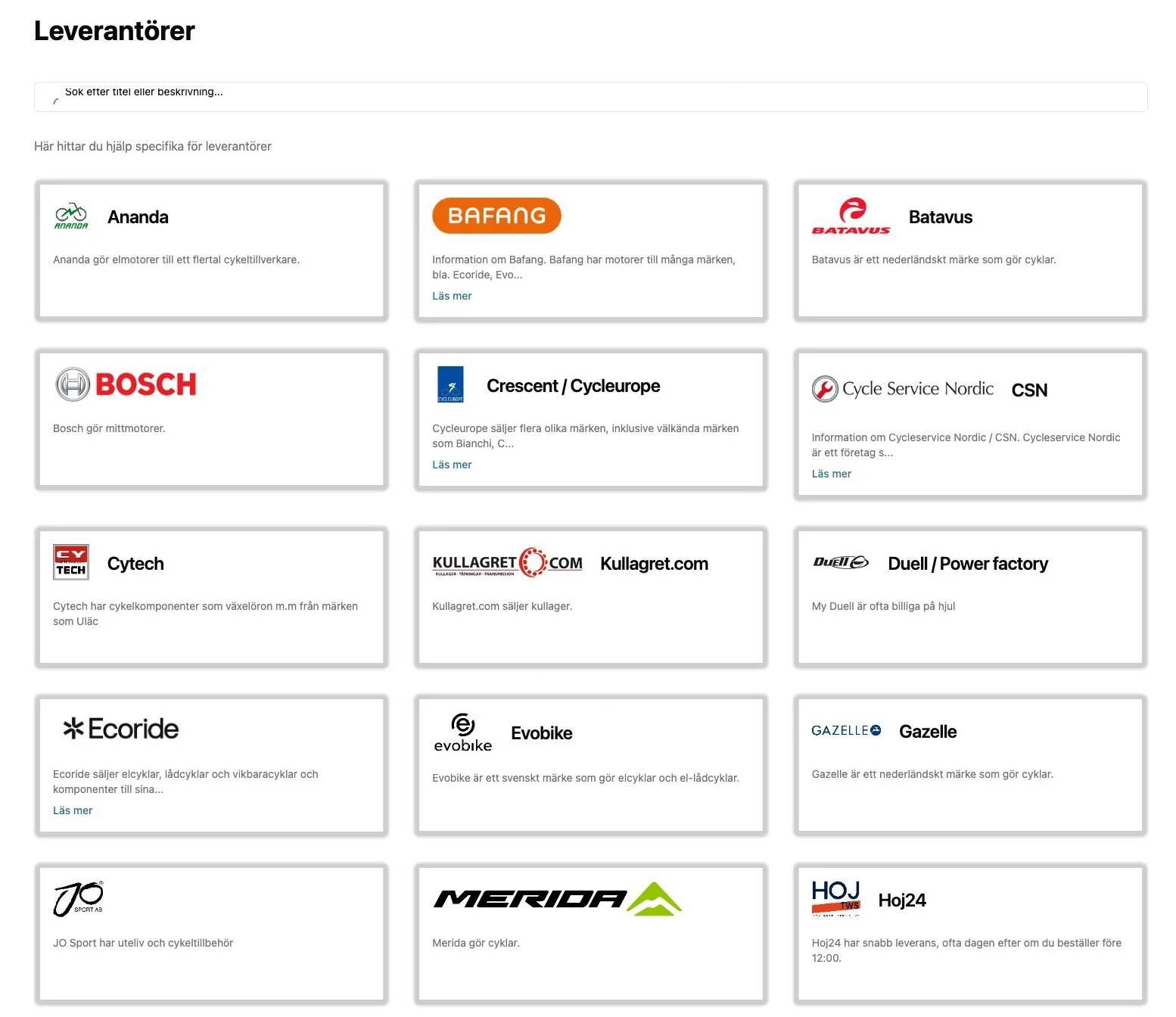
- Product data in five formats. Every supplier sends its own: Bidex, Pricat, Excel, a PDF. Merging it by hand is a full-time job nobody is employed to do.
- The website lags behind the shop. The bike has been on the floor for three weeks and still isn't listed online. The customer who googled it found it somewhere else.
- The spare part under time pressure. The right derailleur hanger among 300+ models has to be found while the customer waits at the counter.
- The knowledge lives in one head. Supplier contacts, routines, who to call about the Bosch error code. Fragile the day that person is off sick – or leaves.
None of them feels urgent on a Monday in November. Together they're the reason spring never quite adds up.
Start at the right end – not with a new website
The most common expensive mistake is starting with design. New site, nicer homepage – same empty catalogue. The order that actually works is the reverse.
1. Gather the product data in one place. One range, one format, no matter how many suppliers feed into it. Without that, every following step goes manual again.
2. Make the till and the website speak the same language. Stock and prices should be updated once, not three times. This is where most of the hours disappear – and where they come back.
3. Automate what repeats. Product descriptions, price signs, listings. The things that take ten minutes each and happen two hundred times a year.
The shop isn't the problem
One thing is easy to forget in all the digitalisation talk: the physical shop isn't the problem – it's the advantage. The workshop, the advice, someone recognising both the customer and the bike. Neither a chain nor a leasing platform can copy that. The whole point of digitalising the admin is to get time back for exactly that part.
The chains and the platforms have already done the work. The good news is that a shop with 3–15 employees can do it in weeks rather than years – as long as you start with the data.